Overview of Rajasthani Angarkha Dress
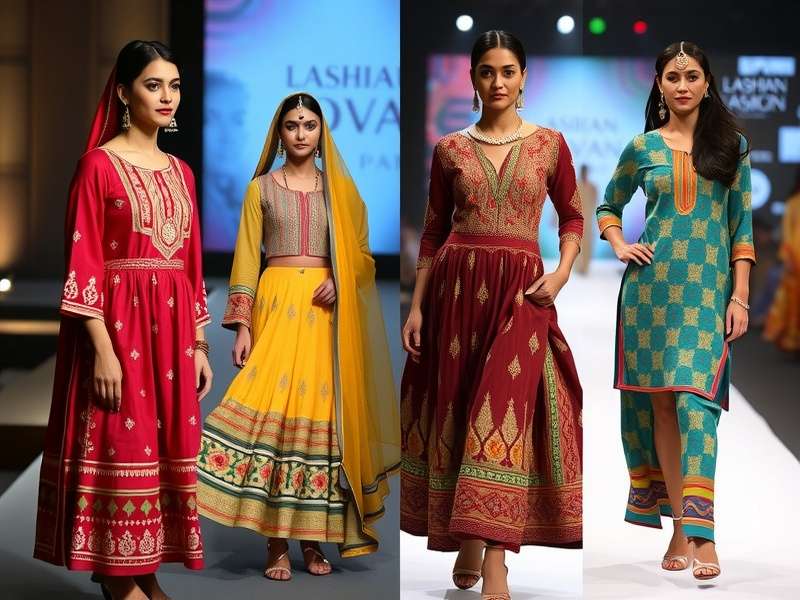
The Rajasthani Angarkha Dress represents one of India's most distinctive traditional garments, embodying the cultural richness of Rajasthan. This elegant attire features a unique overlapping design that has been worn for centuries across the Indian subcontinent.
Key Features: The traditional Rajasthani Angarkha Dress is characterized by its cross-over style, where one side of the garment overlaps the other, secured with ties or buttons. This design provides both aesthetic appeal and functional comfort.
Originally worn by royalty and nobility, the Angarkha has evolved into a popular choice for special occasions, weddings, and cultural festivals throughout Rajasthan and beyond. The garment's versatility allows it to be adapted for both formal and casual wear.
Historical Significance
The origins of the Rajasthani Angarkha Dress can be traced back to ancient India, with references found in historical texts and miniature paintings from the Mughal era. The garment's design reflects the practical needs of the desert climate combined with regal aesthetics.
Evolution Through Centuries
During the Rajput era, the Angarkha became a symbol of status and elegance. The nobility would commission elaborate versions featuring intricate embroidery, precious stones, and luxurious fabrics. Each region of Rajasthan developed slight variations in style, reflecting local traditions and resources.
The British colonial period saw some modifications to the traditional Rajasthani Angarkha Dress, incorporating elements of Western tailoring while maintaining the garment's essential character. This period also marked the beginning of its transition from exclusively royal wear to broader cultural adoption.
Regional Styles and Variations
The Rajasthani Angarkha Dress exhibits remarkable diversity across different regions of Rajasthan. From the vibrant Bandhani patterns of Jodhpur to the delicate Kota Doria weaves, each style tells a unique story of local craftsmanship.
Major Style Categories
Jodhpuri Angarkha: Known for its bold colors and elaborate mirror work, this style often features contrasting borders and heavy embroidery. The silhouette tends to be more structured, reflecting the martial heritage of the region.
Udaipuri Angarkha: Characterized by subtle elegance and refined craftsmanship, the Udaipur style often employs lighter fabrics and delicate zari work. The color palette typically includes pastel shades with intricate floral motifs.
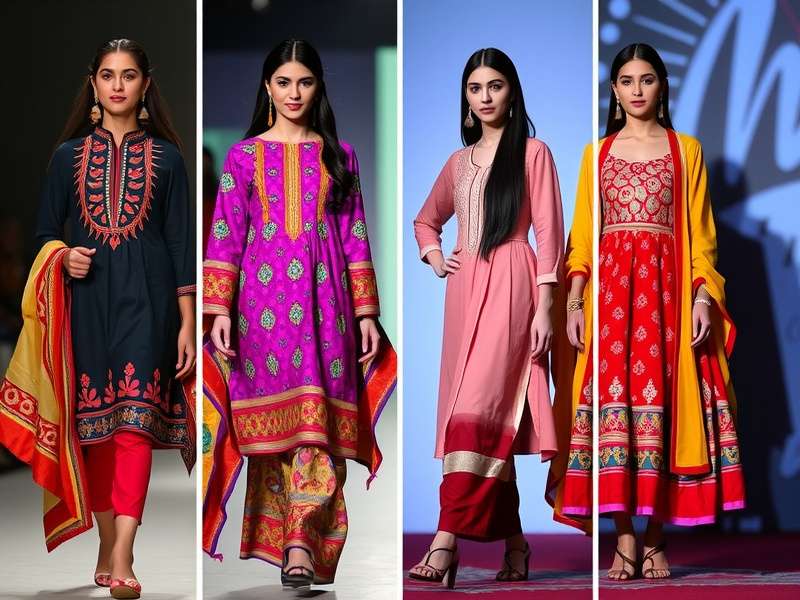
Jaipuri Angarkha: This style showcases the famous block printing techniques of Jaipur, with geometric patterns and nature-inspired designs. The Jaipuri variation often features shorter lengths suitable for everyday wear.
Cultural Significance and Symbolism
The Rajasthani Angarkha Dress carries deep cultural meaning beyond its aesthetic appeal. Each element of the garment—from the choice of fabric to the colors and embroidery patterns—holds symbolic significance in Rajasthani culture.
Color Symbolism
Traditional color choices in the Rajasthani Angarkha Dress reflect various aspects of life and spirituality. Saffron represents courage and sacrifice, while red symbolizes marriage and fertility. Green signifies nature and prosperity, and yellow is associated with spring and happiness.
Cultural Context: The wearing of specific Angarkha styles often corresponds to particular festivals, ceremonies, and social occasions. The garment serves as a visual marker of identity, community belonging, and cultural pride.
In wedding ceremonies, the groom's Angarkha is typically elaborately embroidered with gold thread, while family heirlooms might be passed down through generations, carrying with them stories and blessings.
Modern Adaptations and Global Influence
Contemporary fashion designers have reimagined the traditional Rajasthani Angarkha Dress for modern audiences while preserving its essential character. These adaptations have introduced the garment to international runways and global fashion consciousness.
Fusion Styles
Modern interpretations of the Angarkha often blend traditional elements with contemporary silhouettes. Designers experiment with unconventional fabrics, minimalist embroidery, and innovative draping techniques to create pieces that appeal to younger generations.
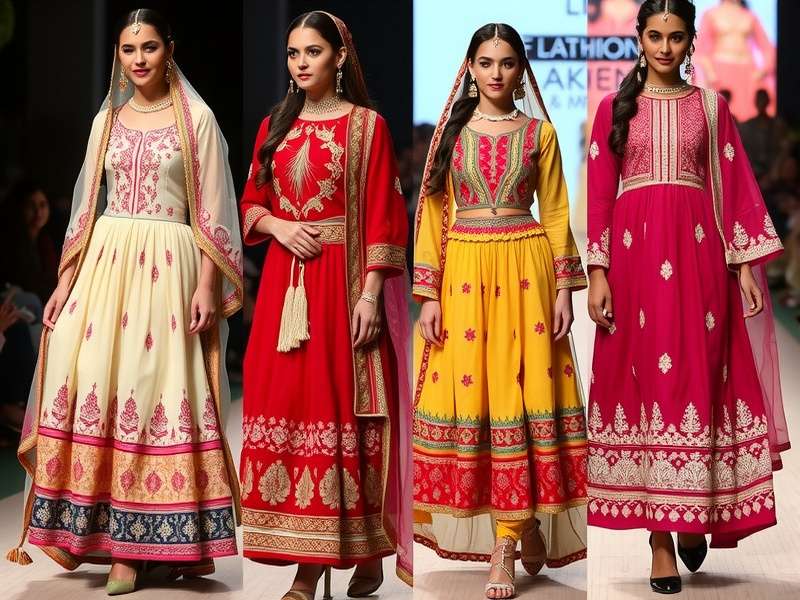
The global recognition of the Rajasthani Angarkha Dress has contributed to the preservation of traditional textile arts while providing sustainable livelihoods for artisan communities across Rajasthan.
Explore More About Rajasthani Fashion
Dive deeper into the world of traditional Indian attire and discover how the Rajasthani Angarkha Dress continues to influence contemporary fashion.
Download Resource Guide Create Account